Car Overheating in McCook, NE? Do This Right Away
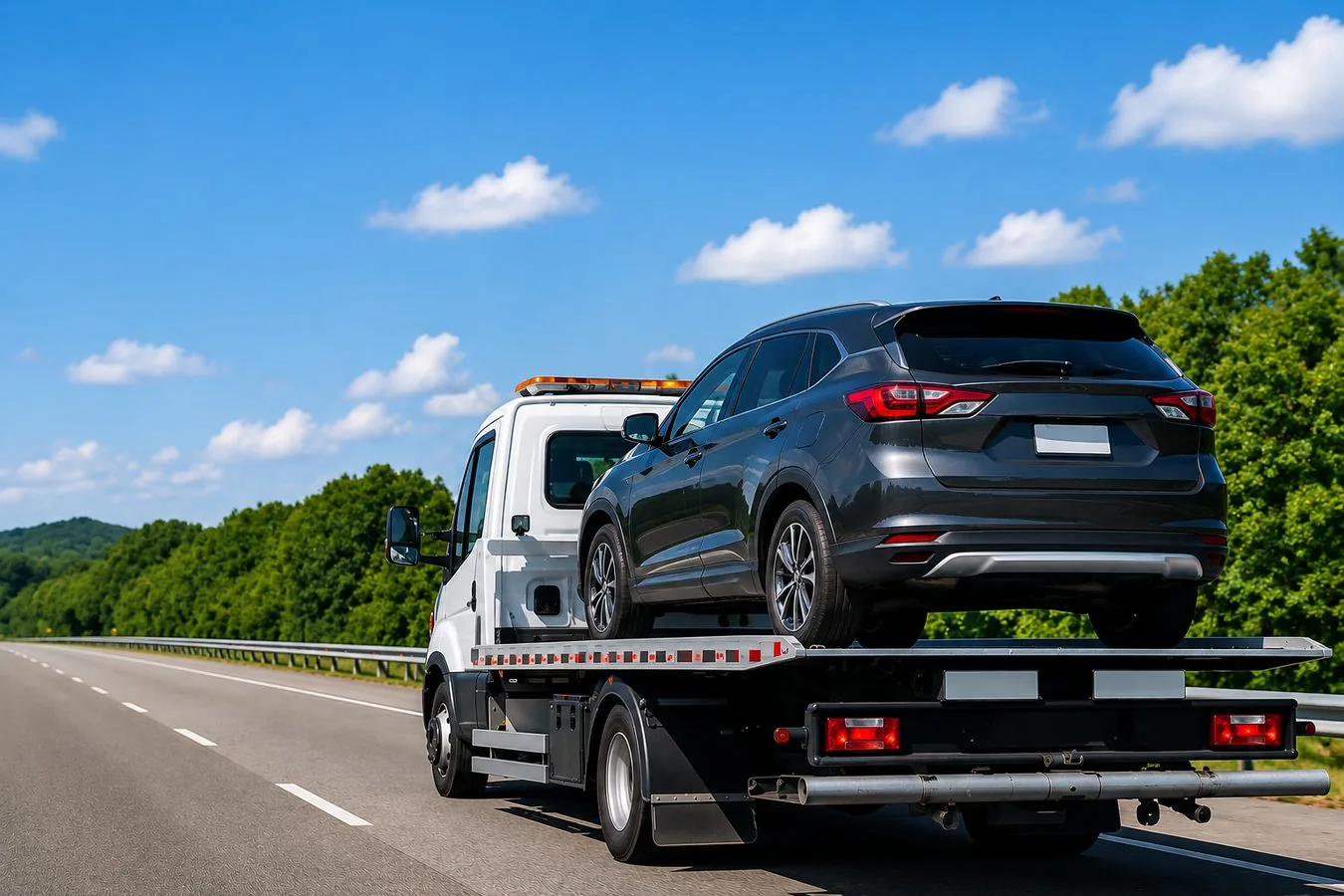
You are driving down US-6 on a hot July afternoon in McCook when the temperature needle swings toward the red, or a wisp of steam curls out from under the hood. It is one of the most stressful things that can happen behind the wheel, and what you do in the next five minutes decides whether you are looking at a simple top-off or a cracked engine. The good news: overheating almost always gives you warning signs, and if you react calmly you can usually avoid the worst damage.
This guide walks McCook and Red Willow County drivers through exactly what to do the moment a car starts overheating, what you should never do, and when the smart move is to stop and call for a tow. We serve McCook, Indianola, Culbertson, Cambridge, Trenton, and the surrounding communities 24/7, so if the heat gets ahead of you, help is a phone call away.
Why Cars Overheat: Common Causes in McCook, NE
Your engine runs best around 195 to 220 degrees Fahrenheit, and the cooling system works constantly to hold it there. When something in that system fails, heat builds fast. In our part of southwest Nebraska, the most common culprits we see are:
- Low or leaking coolant. A slow leak in a hose, the radiator, or the water pump lowers the coolant level until there is not enough fluid to carry heat away. This is the number one cause we run into.
- A failing thermostat. When the thermostat sticks closed, coolant cannot circulate to the radiator, and temperatures spike within minutes.
- A bad water pump. The pump moves coolant through the engine. A worn impeller or a leaking seal kills circulation.
- A stuck or broken cooling fan. In stop-and-go traffic around downtown McCook or at a light on US-34, airflow depends on the electric fan. If it quits, temps climb the moment you slow down.
- Summer heat and towing loads. Pulling a trailer up a grade in 95-degree Nebraska heat pushes any marginal cooling system over the edge.
Knowing the cause matters for the repair, but the moment the gauge climbs, the cause matters less than your response. Let us get to that.
Car Overheating: What to Do Right Away
Follow these steps in order. Speed and calm both matter here.
- Turn off the air conditioning. The A/C compressor adds a heavy load to the engine and pumps extra heat into the engine bay. Shutting it off is the fastest way to reduce strain.
- Turn the heater on full blast. It feels miserable in July, but the heater core pulls heat out of the engine and dumps it into the cabin. Roll the windows down and crank the heat to high. This alone can buy you a few crucial degrees.
- Ease off the gas and find a safe place to pull over. Coast when you can rather than accelerating. On US-6, US-34, or US-83, aim for a wide shoulder, a pull-off, or the nearest parking lot where you are clear of traffic.
- Put it in neutral or park and rev gently if stuck in traffic. If you cannot pull over immediately and are stopped, shift to neutral and lightly rev the engine to help the water pump and fan move air and coolant.
- Shut the engine off once you are safely stopped. Every minute a hot engine keeps running is a minute of potential damage. Kill the ignition and let it cool.
- Pop the hood release, but do not open the radiator. Releasing the hood latch lets trapped heat escape. Leave the radiator and coolant caps alone (more on that below).
What NOT to Do When Your Engine Overheats
A few well-meant mistakes can turn a bad situation into an expensive or dangerous one. Avoid these:
- Never open the radiator cap while the engine is hot. The cooling system is pressurized, and removing the cap can blast scalding coolant and steam into your face. Wait at least 30 to 45 minutes, until the engine is cool to the touch.
- Do not pour cold water on a hot engine or into a hot radiator. The sudden temperature shock can crack the engine block or cylinder head. If you add coolant later, do it slowly with the engine running and only once it has cooled.
- Do not keep driving to save time. Continuing to drive an overheated engine is the single most expensive mistake. It can warp the cylinder head or destroy the head gasket in minutes.
- Do not ignore the warning light and hope it passes. An overheating warning is not like a low-fuel light. Every extra mile compounds the risk.
The safety agencies agree on this. Both the National Highway Traffic Safety Administration and AAA recommend pulling over and shutting the engine down rather than trying to reach a destination once temperatures spike.
When Overheating Means You Need a Tow in McCook
Sometimes letting the car cool and topping off coolant is enough to limp to a shop. But there are clear situations where the right call is a tow, not a gamble:
- The temperature gauge went fully into the red or a warning light stayed on.
- You saw steam, smelled a sweet coolant odor, or spotted a puddle of green, orange, or pink fluid under the car.
- The engine will not restart, runs rough, or knocks after cooling.
- You are on a rural stretch of US-83 or NE-25 with no shop nearby and no way to safely diagnose the problem.
In any of these cases, a flatbed tow protects your engine and gets you to a trusted mechanic without adding a single mile of wear. Our licensed and insured, DOT compliant drivers use flatbed and wheel-lift equipment suited to your vehicle, and we typically reach drivers across McCook and Red Willow County (ZIP 69001) in 30 to 45 minutes. We are available 24/7 for exactly this kind of emergency, whether you are stranded near the Red Willow County Courthouse downtown or out toward the Republican River.
Overheated and Stranded in McCook?
Do not risk your engine. Our 24/7 flatbed and emergency towing crew will get you and your vehicle to safety fast.
Call (615) 241-0232 NowPreventing Overheating on US-6, US-34 and US-83
Most overheating is preventable with a little routine attention, especially before Nebraska summers push your cooling system to its limits. Keep these habits:
- Check your coolant level monthly. With the engine cold, make sure the reservoir sits between the min and max lines. Top off with the correct coolant type for your vehicle.
- Watch for slow leaks. Puddles or crusty residue near hoses, the radiator, or the water pump are early warnings. Fixing a hose is cheap; replacing an engine is not.
- Flush the cooling system on schedule. Old coolant loses its ability to transfer heat and protect against corrosion. Follow your owner manual interval.
- Replace an aging thermostat and hoses proactively. If your car is over a decade old and has never had these done, a small preventive repair beats a roadside breakdown on US-34 in August.
- Know your gauge. Glance at the temperature reading every so often, especially on long drives, in heavy traffic, or when towing. Catching a slow climb early gives you time to react safely.
A cooling system in good shape rarely leaves you stranded. But even the best-maintained vehicle can spring a surprise hose failure, and when it does, knowing what to do and who to call keeps a scary moment from becoming a costly one.
Frequently Asked Questions
Can I keep driving my car a short distance if it is overheating?
It is risky. If the temperature gauge is in the red or you see steam, keep driving only long enough to reach a safe shoulder, then shut the engine off. Driving an overheated engine even a mile or two can warp the cylinder head or blow the head gasket, turning a small repair into a multi-thousand-dollar rebuild. If you cannot cool it down within a few minutes, call for a flatbed tow instead of pushing your luck.
How long should I wait before opening the hood or radiator cap?
Wait at least 30 to 45 minutes before touching the radiator cap. A hot cooling system is pressurized, and opening it early can spray scalding coolant and steam. You can pop the hood release sooner to let heat escape, but do not remove any cooling-system cap until the engine is cool to the touch. When in doubt, wait for help rather than risk a serious burn.
Has your car ever overheated on a McCook back road? What got you moving again?